Overview
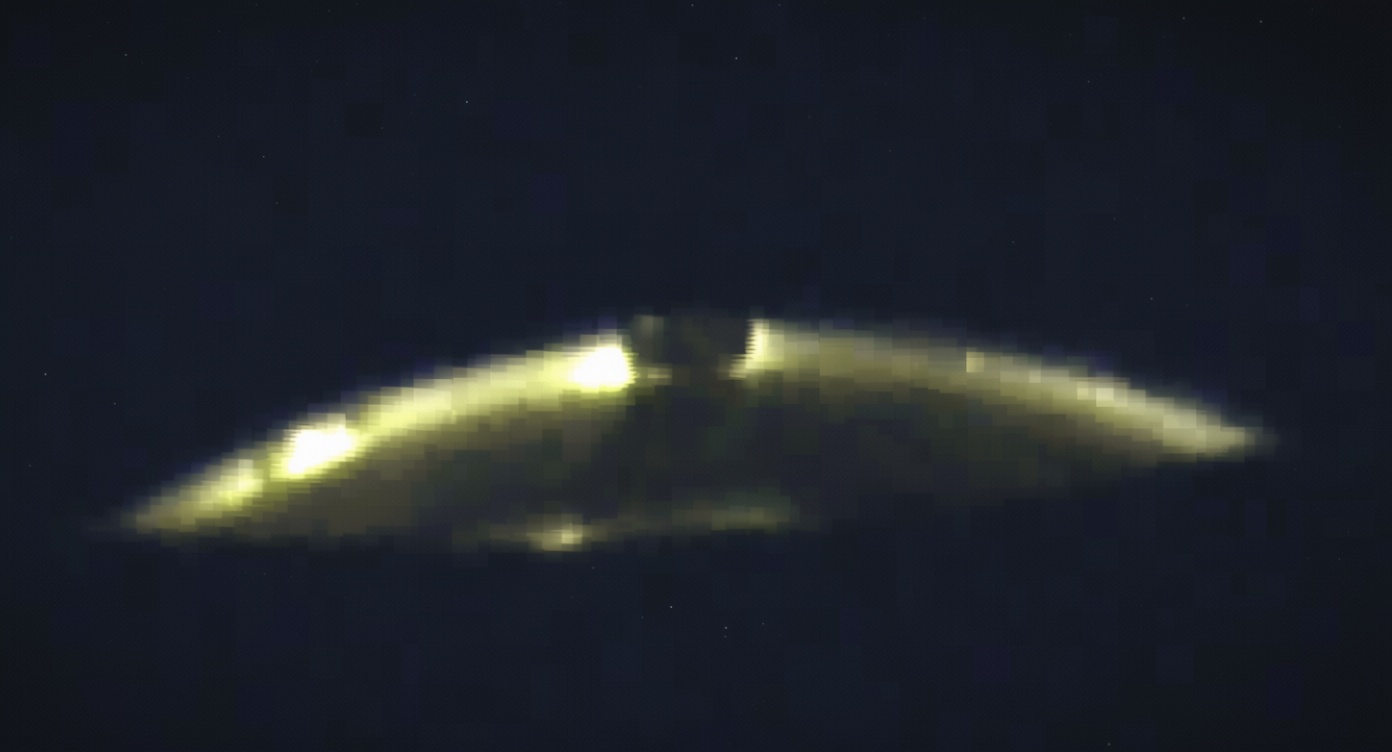
Astrophysicist and science communicator Neil deGrasse Tyson is once again urging the public to apply a high standard of evidence to claims about unidentified anomalous phenomena, or UAPs. In a recent appearance highlighted by NewsNation, Tyson dismissed the steady stream of blurry, inconclusive videos that often circulate in UFO discussions and said that if extraterrestrial life is truly being presented to the public, it should be with evidence that is unmistakable. His message was blunt: “Enough ‘fuzzy videos’ — bring out the alien.”
Tyson’s comments reflect a position he has long maintained in public debates over UFOs: extraordinary claims require extraordinary proof. While interest in UAPs has grown in recent years, especially after military sightings and congressional hearings brought the subject into the mainstream, Tyson argues that public fascination should not substitute for rigor. For him, the issue is not whether people are curious about life beyond Earth — it is whether the evidence actually meets the standard needed to justify belief.
Tyson’s Evidence Standard
The central thrust of Tyson’s argument is that vague imagery is not enough. In the NewsNation segment, he said he is weary of the same pattern repeated across UFO discourse: clips that are too blurry, too distant, or too poorly documented to prove anything conclusive. Without a clear object, a verified chain of custody, and independent analysis, he suggested, the public should remain skeptical of sweeping claims that unidentified objects are evidence of alien visitation.
That standard aligns closely with the scientific method Tyson routinely advocates. In science, he has often argued, the burden is on the claimant to provide repeatable, measurable, and verifiable evidence. A blurry video may spark curiosity, but it does not establish origin, intent, or even what an object truly is. Tyson’s insistence on clarity is, in effect, a reminder that ambiguity is not proof.
Broader UFO Debate
Tyson’s remarks come at a time when UAP reporting remains highly active, with advocates calling for more transparency and skeptics warning against overinterpretation. Government interest has increased in recent years, and public discussion has broadened beyond fringe speculation. Still, the core problem remains the same: many of the most discussed clips and sightings are open to multiple explanations, from drones and weather balloons to camera artifacts and misidentification.
That uncertainty is precisely why Tyson’s comments resonate with skeptics. In his view, the debate should not hinge on what appears mysterious in a low-resolution recording, but on whether the evidence would convince experts across fields. If the phenomenon is real and extraordinary, he implies, then the proof should be equally extraordinary — and visible enough that there is no need to guess.
What Comes Next
Tyson’s message is unlikely to settle the UFO debate, but it does sharpen the terms of it. As interest in UAPs continues, the divide between believers and skeptics will likely remain centered on what counts as sufficient evidence. Tyson’s position is clear: the public should not be asked to accept alien explanations on the strength of fuzzy footage alone. Until something clearer emerges, he suggests, skepticism is not only reasonable — it is necessary.