Overview
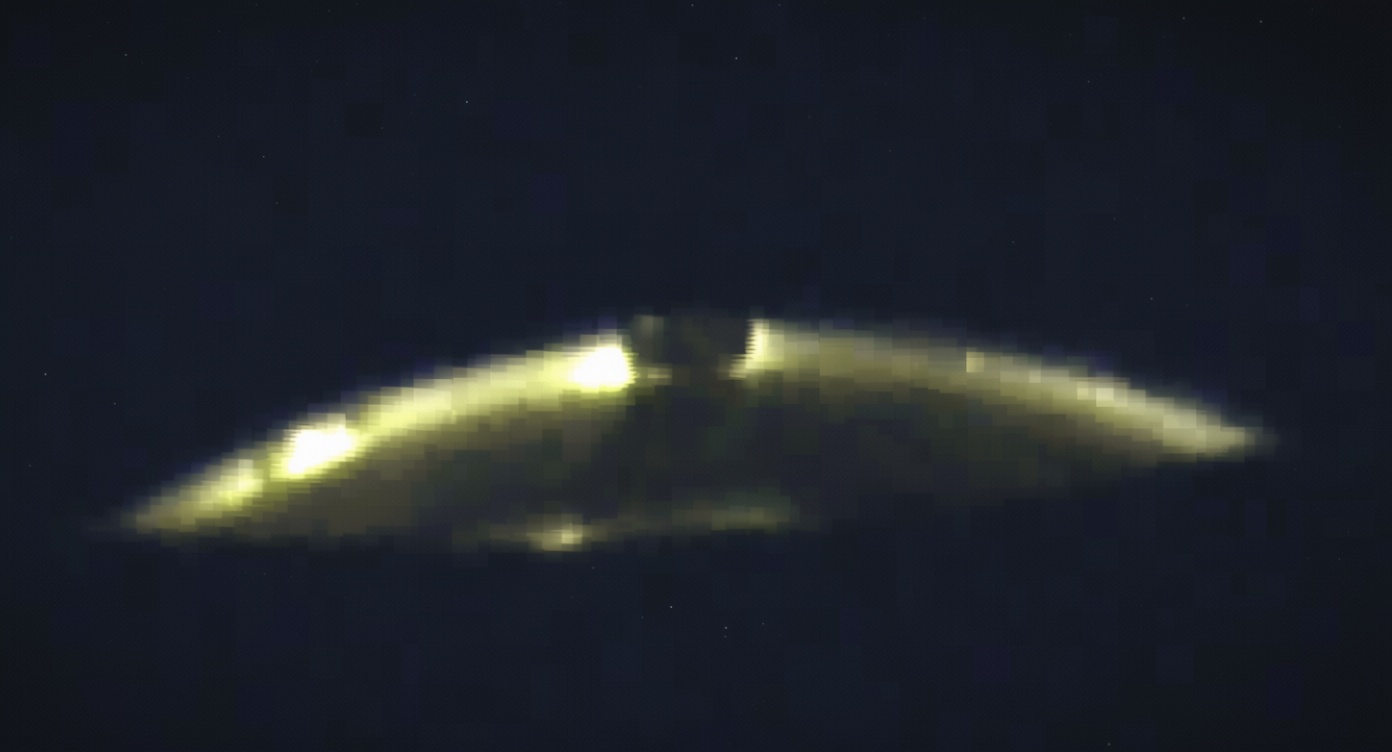
Representative Anna Paulina Luna (R‑FL) has entered the growing chorus of lawmakers demanding that the U.S. government release all classified material on unidentified aerial phenomena (UAP). In a recent opinion piece for The New York Times, Luna argued that full disclosure is not a matter of curiosity but a prerequisite for national security and public trust. She contends that the secrecy surrounding UAP investigations hampers oversight, fuels speculation, and prevents a coordinated response to potential threats. Luna’s call arrives at a moment when both parties in Congress are intensifying scrutiny of the Pentagon’s UAP program, which has produced a series of de‑classified reports over the past two years.
Legislative Push
Luna’s proposal centers on introducing a resolution that would compel the Office of the Director of National Intelligence (ODNI) and the Department of Defense (DoD) to compile and release every classified dossier related to UAP sightings, sensor data, and analysis. In the opinion column she wrote, Luna stated, “The American people deserve to know what is happening in our skies, and our elected officials must have the full picture to make informed policy decisions.” The resolution, if brought to the House floor, would likely invoke the Classified Information Procedures Act to protect genuinely sensitive details while still providing a comprehensive overview. Luna has already met with senior staff from the House Armed Services Committee to gauge support and to outline a timeline for a bipartisan briefing.
Bipartisan Momentum
Luna’s initiative reflects a broader, bipartisan shift toward transparency on UAPs. In 2022, the Senate Intelligence Committee released a preliminary assessment acknowledging 144 UAP incidents that could not be readily explained. More recently, Senators Marco Rubio (R‑FL) and Jack Reed (D‑RI) co‑authored a letter urging the DoD to accelerate the release of its UAP Task Force findings. The All‑Domain Anomaly Resolution (ADAR), a joint House‑Senate effort, is slated for a vote later this year and seeks to institutionalize a permanent inter‑agency UAP reporting mechanism. Luna’s resolution would dovetail with ADAR, providing the legislative branch with the raw data needed to evaluate the task force’s conclusions.
National Security Implications
Proponents of disclosure argue that unknown aerial objects could represent advanced foreign technology, atmospheric phenomena, or, less likely, non‑human craft. By making the data public, analysts could apply a broader range of scientific expertise, potentially identifying patterns that the limited DoD community has missed. Luna emphasized that “without full access to the evidence, our intelligence community cannot fully assess whether these sightings constitute a security risk or an opportunity for technological advancement.” Critics, however, caution that releasing detailed sensor readings could expose U.S. detection capabilities to adversaries. The proposed legislation attempts to strike a balance by allowing redactions for truly sensitive information while still delivering a substantive record to Congress and, eventually, the public.
Outlook
The road to full disclosure remains uncertain. Luna’s resolution faces procedural hurdles and will need the backing of both Republican and Democratic leaders to advance out of committee. Nevertheless, the growing public interest—spurred by recent Pentagon briefings and mainstream media coverage—has placed pressure on officials to be more forthcoming. If successful, Luna’s effort could mark a pivotal moment in UAP policy, transitioning the issue from a fringe curiosity to a legitimate national‑security agenda. Until then, lawmakers, intelligence officials, and the public will watch closely as the debate over what the skies conceal—and what the government should reveal—continues to unfold.