Overview
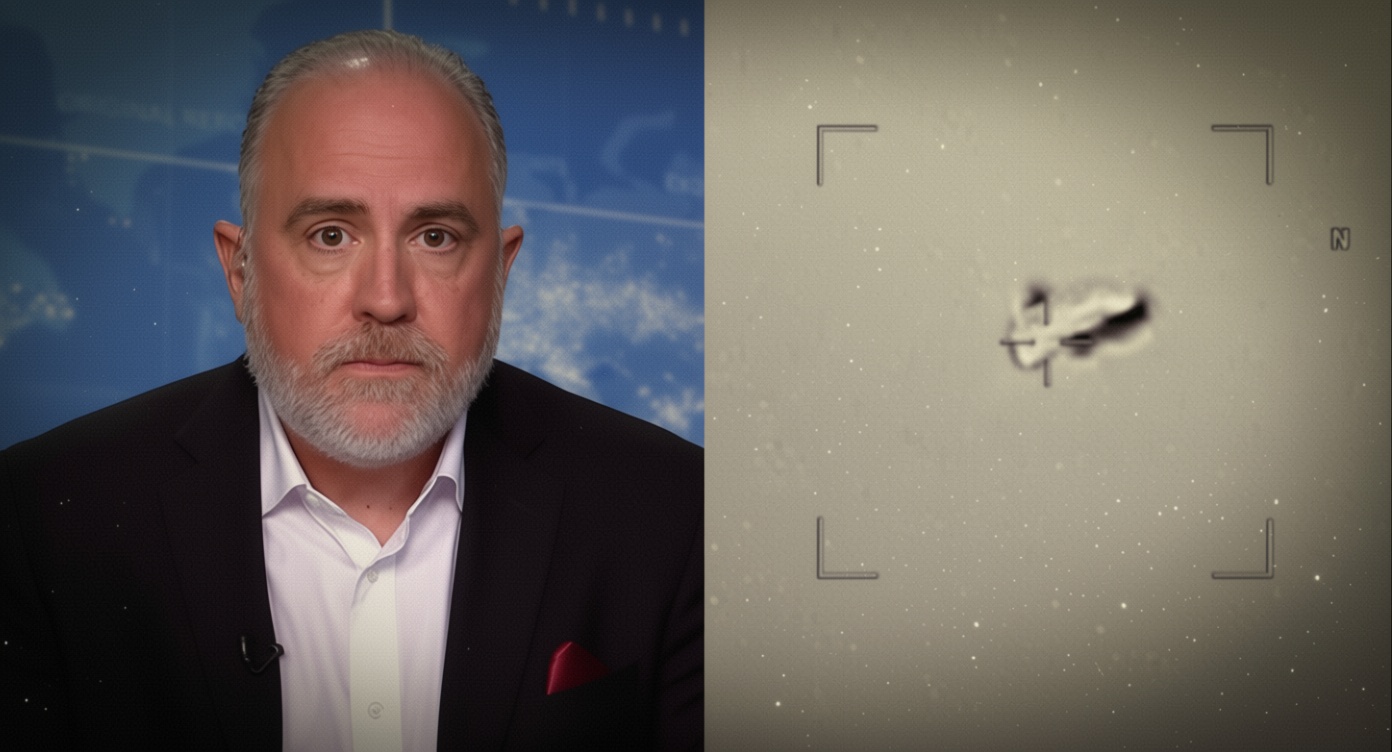
The Pentagon on Friday released a new batch of UFO files, renewing public attention on the government’s handling of unidentified anomalous phenomena (UAP) and the ongoing effort to catalog reports from military personnel and federal agencies. The latest disclosure includes 40 files — a mix of 14 documents, 19 videos, four audio files and three images — gathered from the Pentagon, NASA, CIA, FBI and the Energy Department. Among the most notable accounts is a report from a military aviator who described one mysterious object as “unlike anything I had seen” during 28 years of service.
What’s in the release
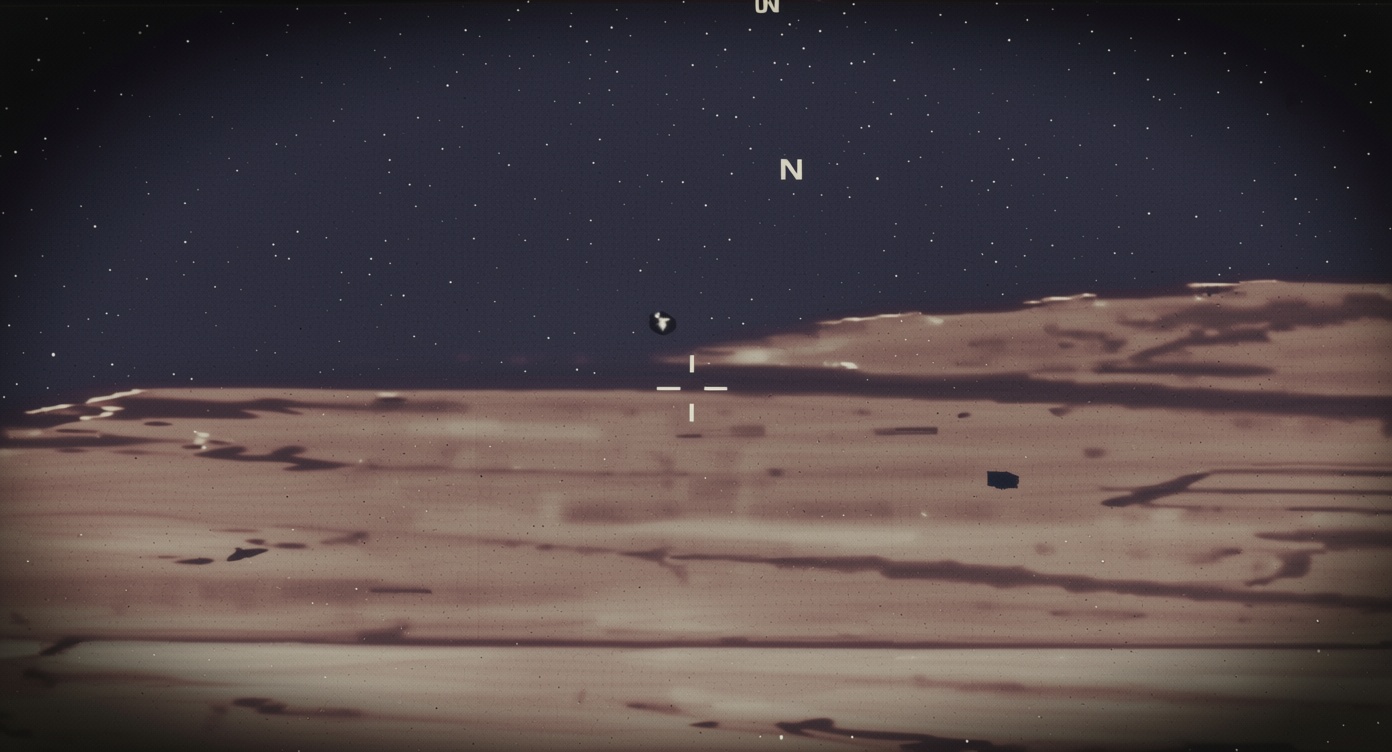
The Pentagon posted the material on its UFO website, which hosts documents released under an executive order signed by President Trump earlier this year. As with earlier disclosures, the collection blends largely historical records with more recent encounters, including grainy infrared videos captured by military cameras. The files describe unexplained objects seen over multiple regions, including the western Pacific Ocean, the Atlantic and the Middle East, reflecting the broad geographic range of incidents that continue to be logged by military observers.
One of the most striking files comes from the Energy Department and concerns an intrusion over the Pantex nuclear weapons facility near Amarillo, Texas, in September 2015. According to the report, two officers pursued an unidentified object while the site was placed on lockdown. The document states that, when they stopped and got out of the vehicle, they found the object made no sound and displayed no visible propulsion system even when viewed through binoculars. After a brief observation, the object moved north and left the area.
Military observations and redacted accounts
The release also contains a heavily redacted 2020 Atlantic Ocean incident involving a Navy crew member who described an object as “a darker, maroonish color” and approximately 12 to 15 feet in height. In the accompanying report, the weapons systems officer wrote that the object “appeared as a large, somewhat deformed balloon,” though the crew could not confirm that assessment before continuing back to the ship.
That report is classified as a “range fouler debrief,” a standardized Navy form used to document unauthorized intrusions into controlled airspace during military operations or training. The Pentagon’s description underscores that these reports are not merely anecdotal sightings, but part of a formal process for tracking potential airspace hazards, unknown craft and unexplained observations during active operations.
Broader disclosure effort
The latest release follows a familiar pattern: the Pentagon continues to make public a mixture of older documents and more recent military reports, while many details remain redacted. For researchers and skeptics alike, the files are unlikely to settle longstanding questions about the nature of UAP. But the disclosures do add more primary-source material to an increasingly visible archive, offering a glimpse into how military personnel describe and record encounters that remain unresolved.
As public interest in UAP continues, the Pentagon’s latest release reinforces the central tension in the debate: some incidents may ultimately have ordinary explanations, while others remain open questions, documented only by limited sensory data, redactions and the testimony of trained observers who insist they saw something unusual.