Overview
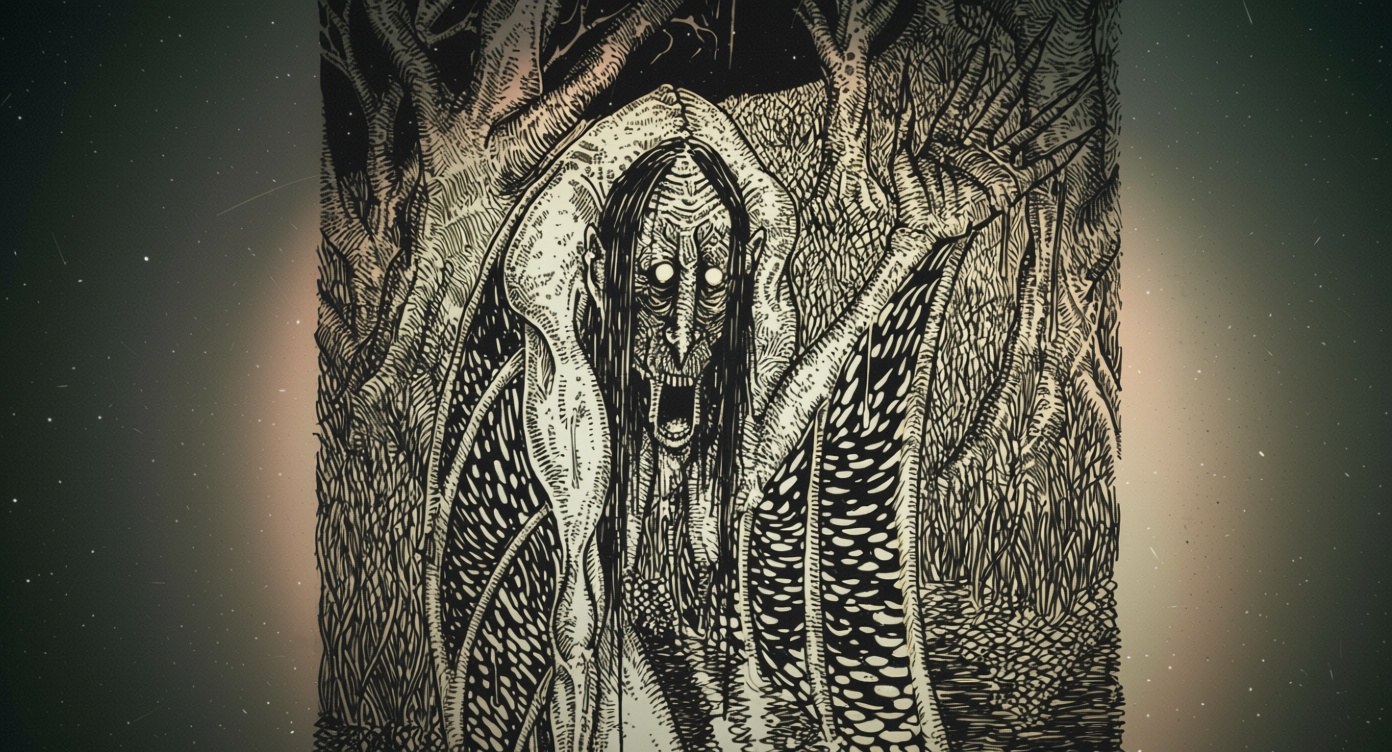
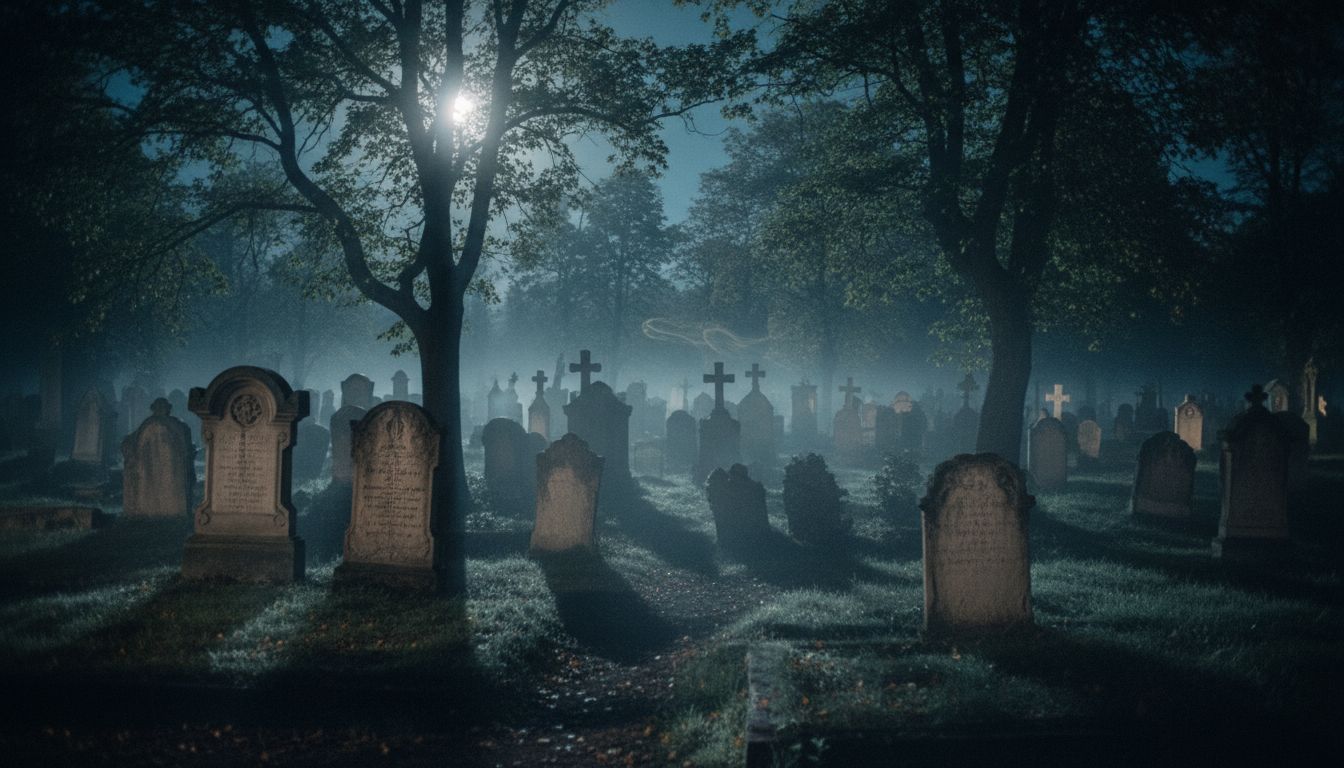
Munich’s Alter Südfriedhof, or Old South Cemetery, has become associated with one of the city’s enduring supernatural legends: the so-called “Eskimo Tragedy.” According to local lore, ghostly voices can be heard in the cemetery after dark, allegedly linked to nine students and actors who died in a catastrophic costume fire at a Munich carnival in 1881.
The account was published by Moon Mausoleum on October 14, 2026, as part of its coverage of haunted locations in Germany. The reports remain a matter of folklore rather than documented paranormal evidence. No verified investigation has established that voices, apparitions or unexplained phenomena at the cemetery are connected to the historical fire.
A Cemetery With Centuries of History
Located a few hundred meters south of Sendlinger Tor, between Thalkirchner Straße and Pestalozzistraße, Alter Südfriedhof predates modern Munich’s expansion. It was established in 1563 as a plague cemetery, then known as the “ferterer Freithof,” or outer cemetery, because it stood beyond the city gates.
The cemetery later became Munich’s principal burial ground. From 1788 to 1868, it served as the city’s sole general cemetery, receiving the remains of plague victims, soldiers and prominent citizens. Its weathered monuments and densely packed graves have contributed to an atmosphere that visitors sometimes describe as unusually quiet or unsettling.
Moon Mausoleum’s account also refers to reports of ghostly silhouettes, cold spots and a silence that appears to absorb surrounding sounds. Such descriptions are common in cemetery legends, where historical tragedy, nighttime isolation and unfamiliar surroundings can combine to produce powerful impressions. They are, however, anecdotal and have not been independently verified.
The 1881 Carnival Fire
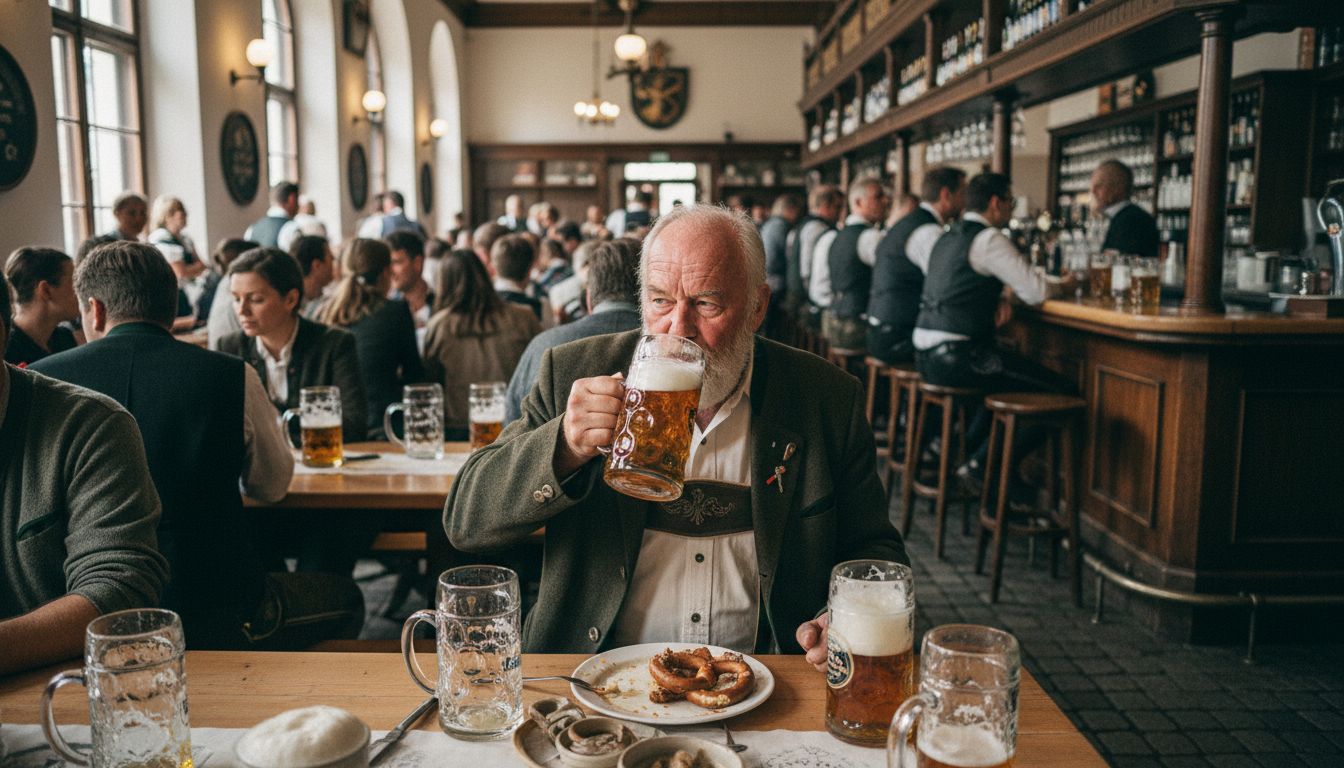
The “Eskimo Tragedy” is said to have taken place on February 18, 1881, during a carnival celebration organized by Munich’s Academy of Fine Arts at Kil’s Colosseum. The event’s theme was “A Pub Crawl Around the World,” with students creating scenes representing different regions and dressing in corresponding costumes.
Members of the sculpture class reportedly appeared as polar bears and Inuit characters, although the presentation was described as an Antarctic-themed display. The set included a papier-mâché igloo, imitation icebergs made from wood and plaster, and food prepared over tallow candles.
According to the published account, one costumed participant moved too close to a candle shortly before midnight. Flames spread rapidly through the costumes as others attempted to help. Water tubs placed inside the display for emergencies were reportedly overlooked amid the confusion and panic. Nine students and actors are said to have burned to death, an event remembered locally as the Eskimo Tragedy.
Legend and Historical Memory
The story’s connection to Alter Südfriedhof appears to arise from the cemetery’s broader reputation as a place where Munich’s dead—and the city’s tragedies—remain symbolically present. The lore holds that the victims’ voices can still be heard at night, although the available account does not identify specific witnesses, recordings or contemporary investigations supporting the claim.
For visitors, the cemetery’s significance lies in both its documented history and its legends. Alter Südfriedhof preserves nearly five centuries of Munich’s burial history, while the tale of the 1881 fire demonstrates how traumatic events can persist through public memory. Whether interpreted as a haunting or as a story shaped by atmosphere and remembrance, the “Eskimo Tragedy” remains part of the cemetery’s paranormal folklore—not an established supernatural fact.