Overview
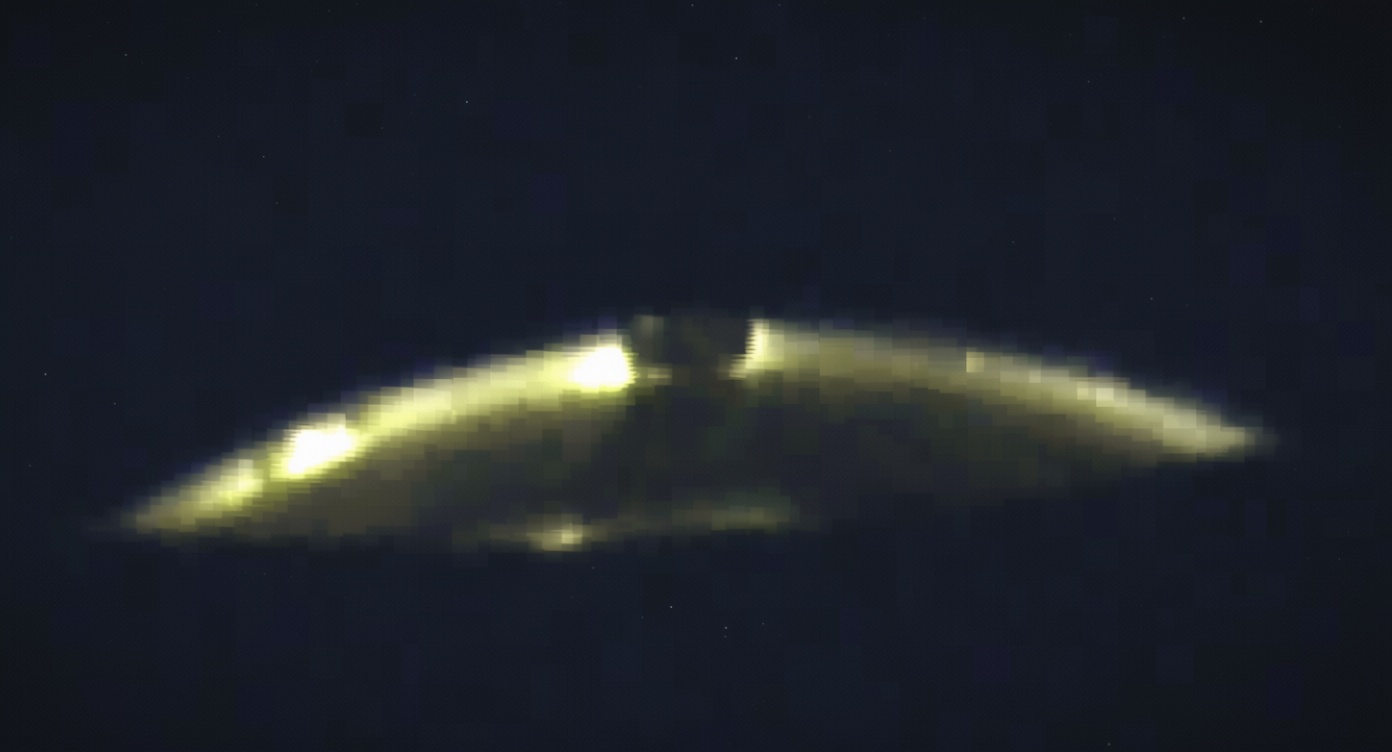
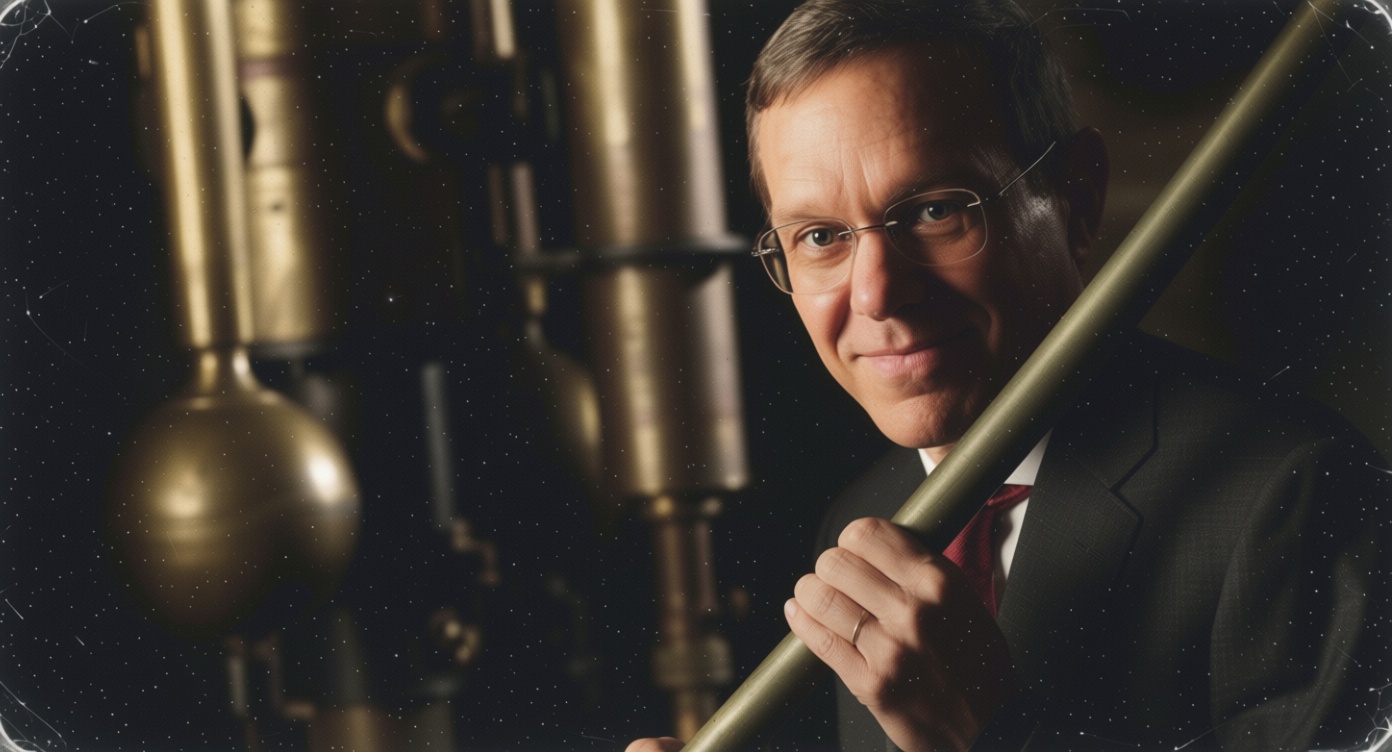
Avi Loeb, the Harvard astrophysicist who has become one of the most prominent scientific voices pressing for serious study of unidentified aerial phenomena, said that even a single alien-made object would rank as the greatest discovery in science. In an interview with the ynet studio, Loeb argued that investigators should be willing to examine a wide range of explanations for mysterious objects, from advanced technology developed by rival countries to the more remote possibility that some could originate from an extraterrestrial civilization.
Loeb’s comments come amid continued public and government attention to UFOs, now more commonly referred to as UAPs. While he emphasized that there is no reason to leap immediately to alien explanations, he said the point of scientific inquiry is to follow the evidence wherever it leads. “This is not a matter of belief,” he said. “I am a scientist, and science is not based on beliefs or opinions on social media. It is based on evidence.”
National Security First
According to Loeb, the U.S. government’s decision to bring in outside scientists suggests officials have encountered objects they cannot easily explain. He said that if authorities were already confident the objects were foreign or hostile, they would likely be handled strictly as a national security threat rather than through public-facing scientific inquiry. “The only way to interpret it is that they are seeing objects they cannot identify, but they do not necessarily think those objects were made by humans,” he said.
Loeb added that objects appearing near strategic sites should be treated seriously even if the explanation turns out to be prosaic. If they are human-made, he said, identifying them still serves an important defense purpose because it could reveal aircraft or surveillance systems from foreign governments. “If these are objects sent by foreign countries, it is important for US national security to identify them and determine their origin and nature. That is the minimum,” he said.
Why the Alien Possibility Matters
The more dramatic possibility, Loeb said, is not something he treats as a conclusion but as a scientific hypothesis worth testing. “If even one object among all of them came from an extraterrestrial civilization different from our own technological civilization, it would be the most important scientific discovery ever made,” he said. Such a finding, he argued, would not only transform astronomy and physics but also force humanity to reconsider its place in the universe.
“It would teach us about new science and new technologies,” Loeb said, “and it would also indicate that perhaps we are not at the top of the cosmic food chain.” That framing has made Loeb a polarizing figure in mainstream astrophysics, but it has also helped propel his ideas into the center of public debate about UAPs and the limits of current detection methods.
Loeb’s Broader Campaign
Loeb has spent recent years leading the Harvard Galileo Project, a research effort aimed at systematically investigating objects that defy easy explanation. His approach has been to insist on data, instrumentation and reproducible analysis rather than speculation. In the interview, he pointed to astronomical findings suggesting that life elsewhere in the universe is at least plausible, noting that roughly one in 10 stars has a planet similar to Earth at about the same distance.
For Loeb, the logic is straightforward: if Earth-like conditions exist in millions or billions of planetary systems, the possibility that technology could emerge elsewhere cannot be dismissed out of hand. His argument is not that aliens have been proven, but that the scientific stakes are high enough to justify a careful search. In that sense, the discovery of even one truly non-human artifact, he said, would be enough to rewrite the story of life in the cosmos.