Overview
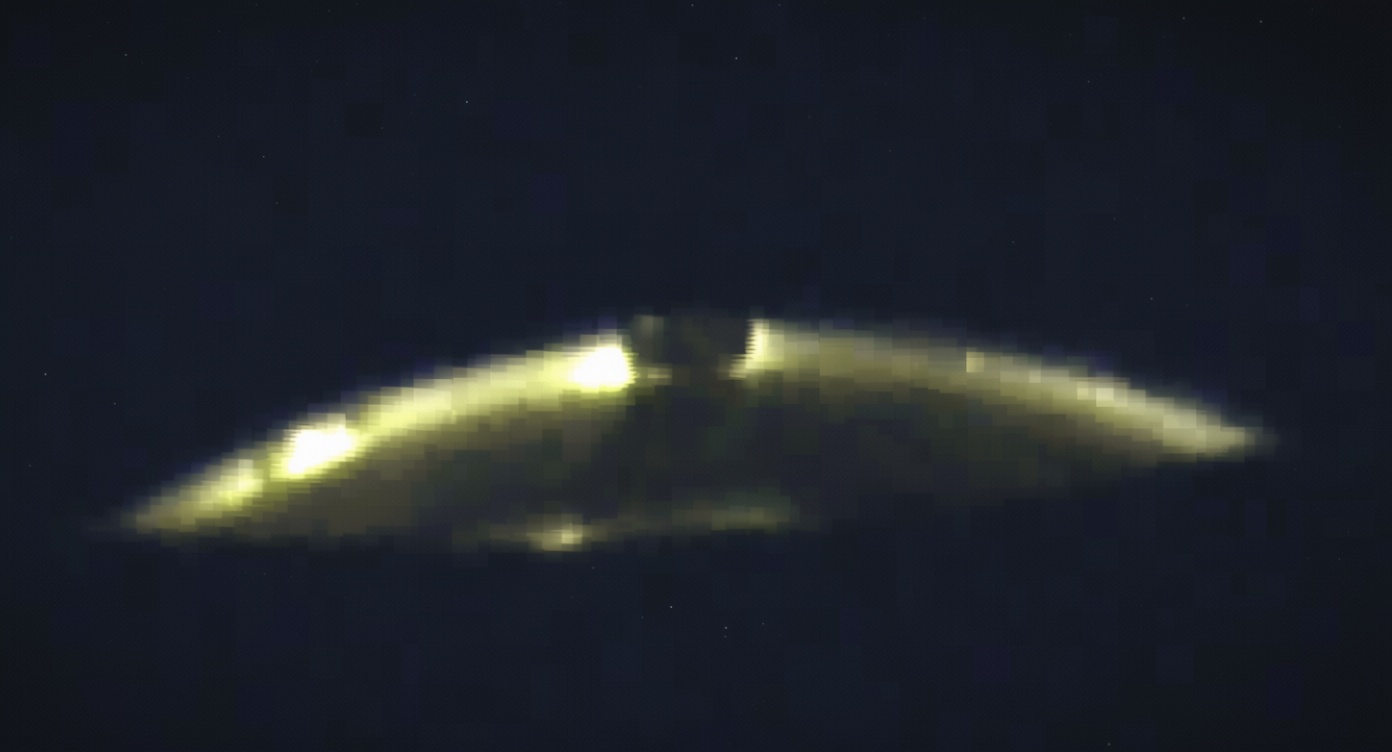
The former head of the Pentagon’s Unidentified Aerial Phenomena (UAP) task force has announced that he will break his long‑standing silence on what he describes as an “alleged cover‑up of extraterrestrial evidence.” In a brief statement released to the press, the official said he will soon appear publicly, discuss the internal findings of the UAP program, and publish a tell‑all memoir that details his experience inside the classified effort. The announcement has reignited public and congressional interest in the government’s handling of anomalous aerial sightings.
Background
The UAP task force, created in 2020 under the Department of Defense, was tasked with reviewing reports of unexplained aerial objects that had been logged by military pilots for decades. Its work contributed to the June 2021 “Preliminary Assessment” report, which acknowledged that a majority of the 144 cases examined remained unexplained and that some exhibited flight characteristics beyond known technology. While the Pentagon has since declassified several video clips and affirmed that the program continues, most of the investigative data remains classified. The former official—widely identified as Luis Elizondo, who previously led the Advanced Aerospace Threat Identification Program (AATIP)—has been subject to nondisclosure agreements that limited his public commentary.
Upcoming Disclosure
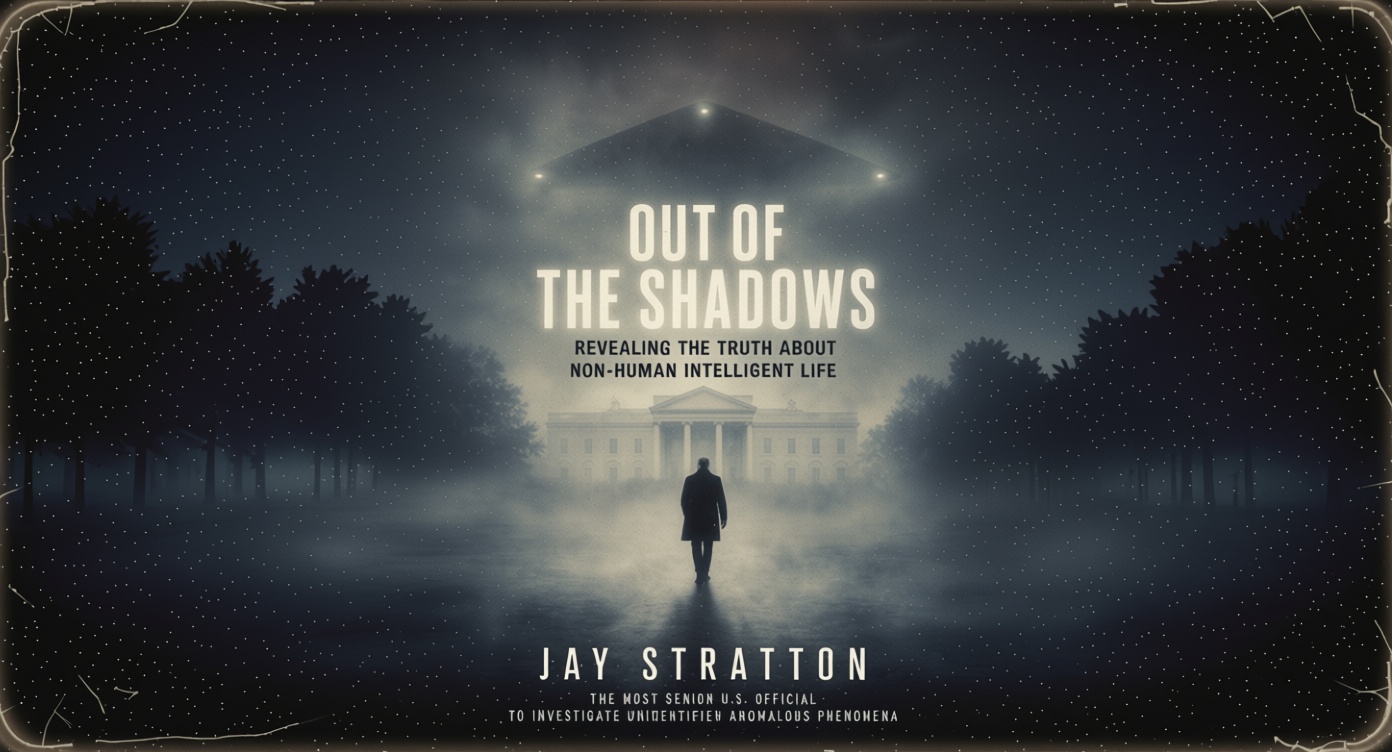
Elizondo told reporters that his forthcoming memoir, slated for release later this year, will “lay out the facts that have been kept from the American people for too long.” He added that the book will include documented radar logs, pilot testimonies, and internal memos that suggest certain high‑level officials deliberately restricted information flow. In a scheduled media appearance, he plans to address “the mechanisms of the alleged cover‑up” and explain why he believes the evidence points to non‑human origin for at least a subset of the sightings. The former investigator emphasized that his disclosures will respect any remaining classified material, stating, “I will not jeopardize national security, but I will not stay silent any longer.”
Official Reactions
A Department of Defense spokesperson responded that “all personnel involved in UAP investigations are bound by the same classification rules that apply to any other national‑security matter,” and that any release of information must follow established protocols. The spokesperson also noted that the Pentagon remains committed to transparency, citing the continued release of unclassified videos and the recent Congressional hearings on UAPs held in May 2024. Senators from the Intelligence Committee, who have been pressing for more openness, welcomed the prospect of additional insight, with one member remarking, “If credible evidence exists, it should be examined in the open, with appropriate safeguards.”
What Comes Next
The upcoming memoir and public interview are expected to spark renewed calls for legislative oversight of the UAP program. Advocacy groups, such as the Scientific Coalition for UAP Studies, have urged Congress to allocate funding for an independent scientific analysis of the data. Meanwhile, the intelligence community is reportedly reviewing the former official’s claims to determine whether any classified material has been inadvertently disclosed. As the release date approaches, both supporters and skeptics will be watching closely to see whether the promised revelations substantiate the “cover‑up” narrative or simply add another layer to a complex, still‑unresolved national security puzzle.