Overview
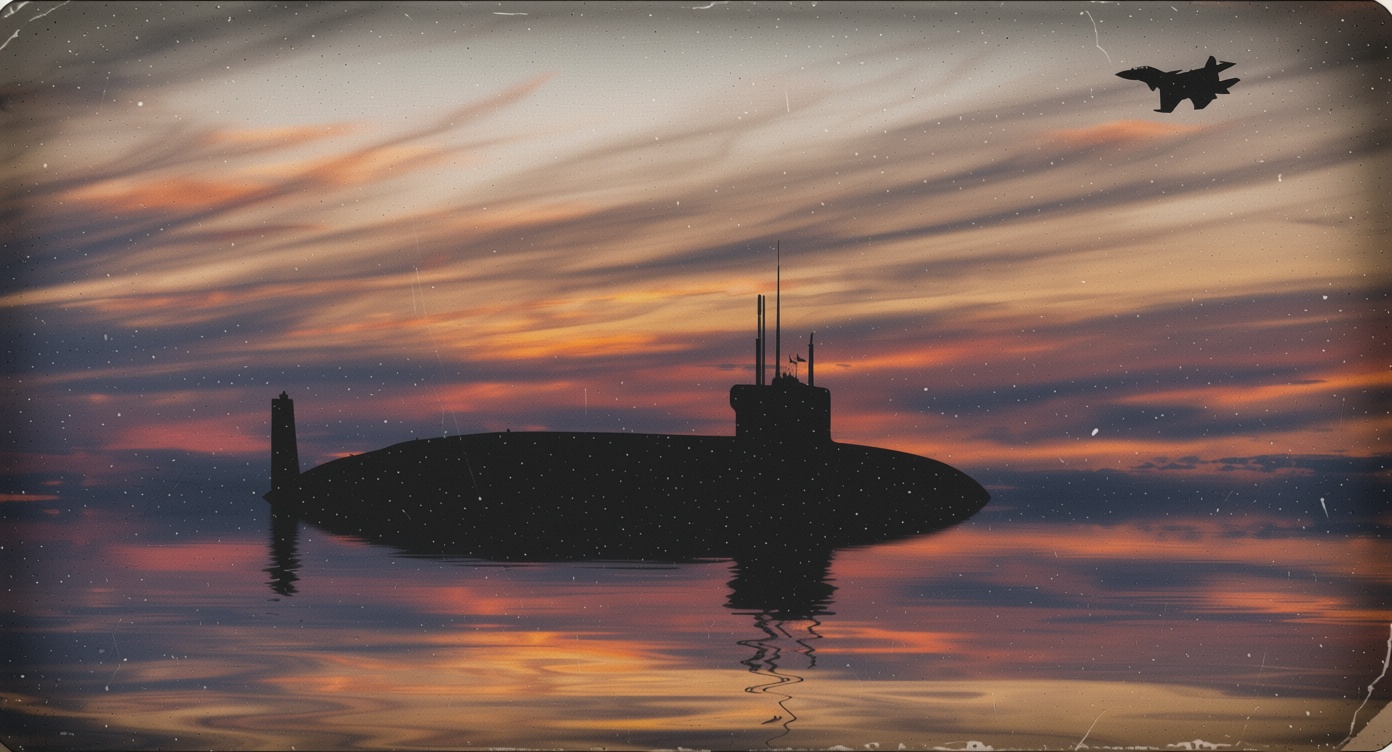
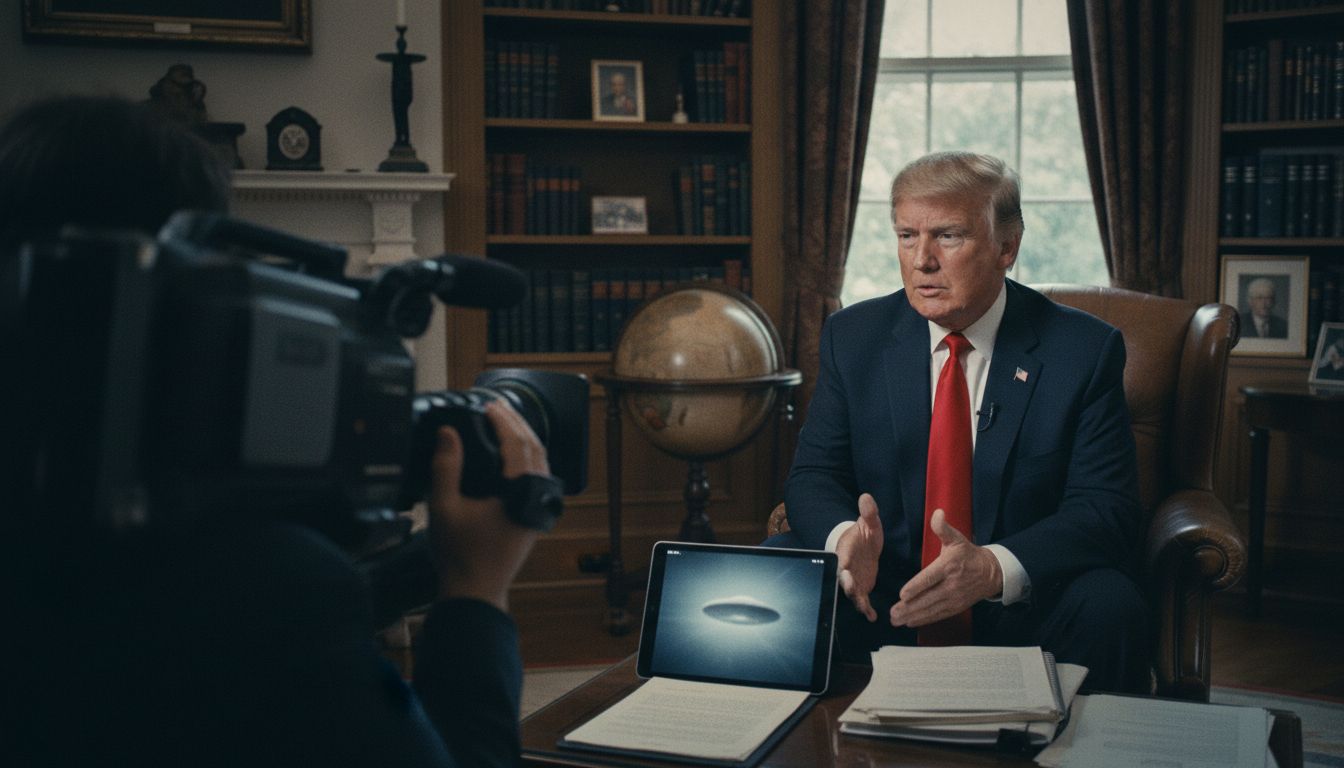
NewsNation’s latest look at the UAP debate turns away from the usual question of whether unidentified aerial phenomena are extraordinary and instead asks a harder national-security problem: what if a strategic rival already had the technology? The segment centers on the possibility that China or Russia could possess advanced UAP-related capabilities, framing it as a serious intelligence and defense issue for the United States rather than making any claim that either country actually does. That distinction matters. The report does not present evidence that a foreign power has mastered such systems; it explores the consequences if a hostile state had done so quietly.
Why the question matters
If an adversary had access to technology that could outperform conventional aircraft, evade standard detection, or maneuver in ways current systems cannot explain, the implications would reach far beyond the UAP community. It would force a reassessment of air defense, surveillance, and strategic deterrence. U.S. military planners would need to know whether they were facing a breakthrough in propulsion, sensor deception, autonomous systems, or some other capability entirely. In practical terms, the concern is less about science fiction and more about whether America’s existing warning networks could be outpaced by a rival’s classified advances.
Intelligence and defense implications
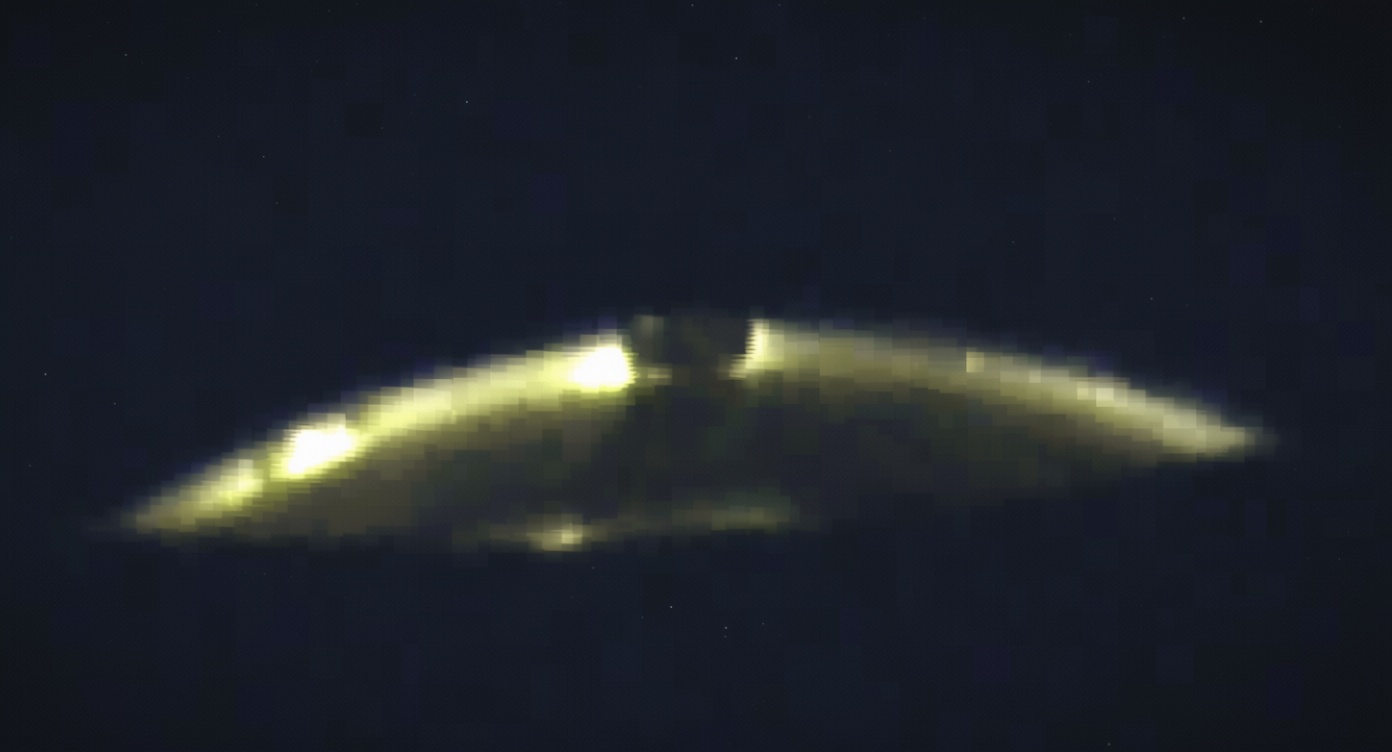
The issue also highlights a familiar problem in modern intelligence: determining whether an anomalous event represents something unknown, a technical glitch, or an opponent’s secret program. That uncertainty can create real vulnerability. If a foreign government developed a platform that could slip past radar, confuse pilots, or appear as an unexplained object in the sky, the U.S. might not recognize the threat until after operational advantages had already been lost. For defense officials, the challenge would be to separate foreign technology, experimental military systems, and genuinely unexplained phenomena without overreacting—or missing a breakthrough that could alter the balance of power.
A broader UAP debate
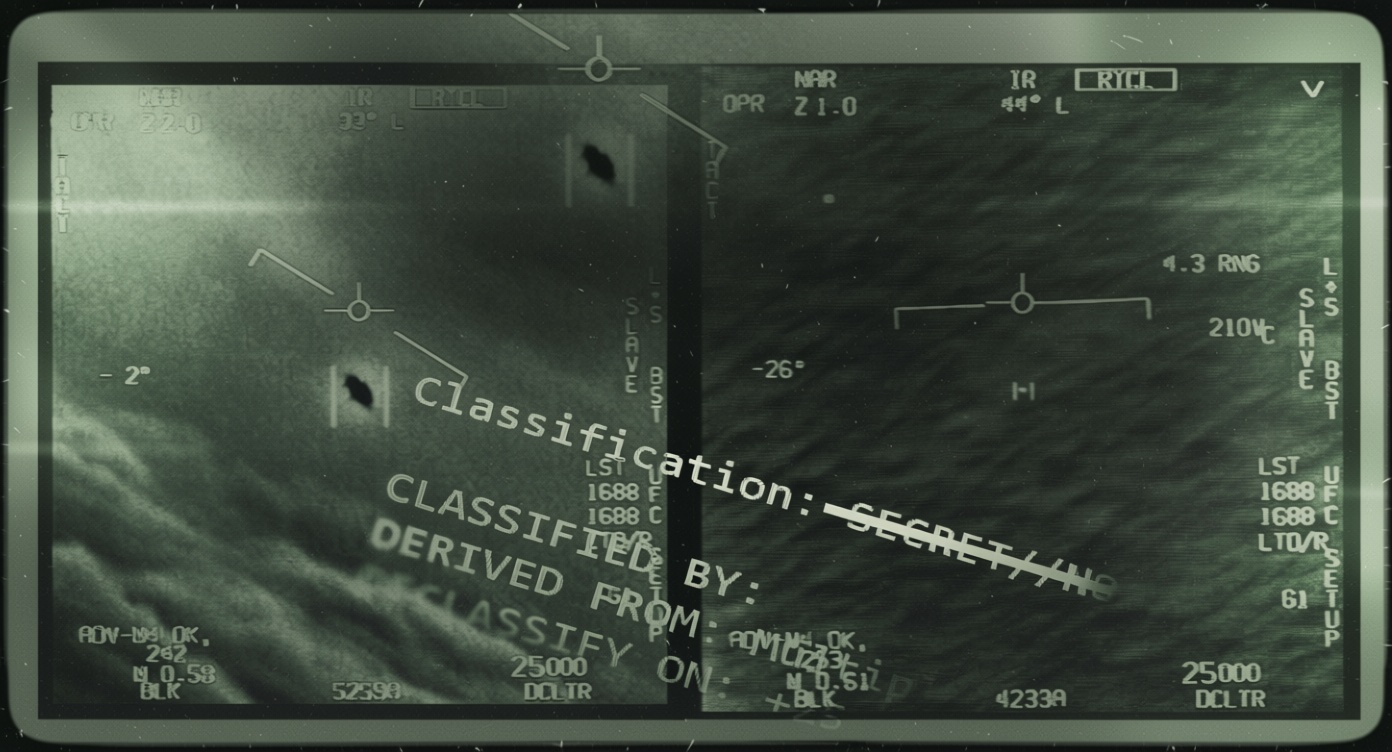
The NewsNation framing arrives amid a wider, ongoing debate over transparency in the UAP field, where lawmakers, veterans, and former intelligence officials continue to push for clearer answers from the government. That discussion has increasingly shifted from curiosity to security, especially as the Pentagon and Congress have been pressed to explain what is known, what is classified, and what remains unresolved. In that context, the possibility of a Chinese or Russian lead in UAP technology functions as a warning scenario: even a small technical edge could have outsized consequences if it is invisible to U.S. planners and pilots.
The bottom line
For now, the segment’s message is measured but serious. The United States cannot afford to dismiss UAPs as merely a mystery if there is any chance they reflect foreign innovation or adversarial testing. At the same time, the report stops short of asserting that China or Russia has achieved such a capability. That balance reflects the core tension in the UAP conversation: the need to take unexplained events seriously while resisting conclusions unsupported by evidence. In a national-security environment shaped by technological competition, uncertainty itself becomes the threat.