Overview
NewsNation’s “Your Morning” segment revisited one of the most persistent questions in the UFO and UAP conversation: how much information about unidentified anomalous phenomena should the public actually be allowed to see? The discussion underscored the continuing disclosure debate, with advocates pressing for broader transparency around government investigations, archived records, and any information held by federal agencies that could shed light on unexplained sightings.
At the center of the segment was a familiar tension. Supporters of disclosure argue that the public deserves clearer answers about reports collected by the military and intelligence community, especially as lawmakers and defense officials have acknowledged that some incidents remain unresolved. Skeptics, however, continue to caution that many claims circulate faster than they can be verified, and that the public conversation often stretches beyond what official evidence can support. The result is a debate shaped as much by missing information as by the information already on record.
Calls for Greater Transparency
The NewsNation segment reflected the view held by many disclosure advocates: that transparency is not just about satisfying curiosity, but about accountability. They argue that when government agencies investigate UAP events, the findings should be made available to the public whenever possible, with sensitive details protected only when necessary for national security. That position has gained traction in recent years as Congress has held hearings, defense officials have created new reporting channels, and lawmakers from both parties have asked for more oversight of how UAP cases are handled.
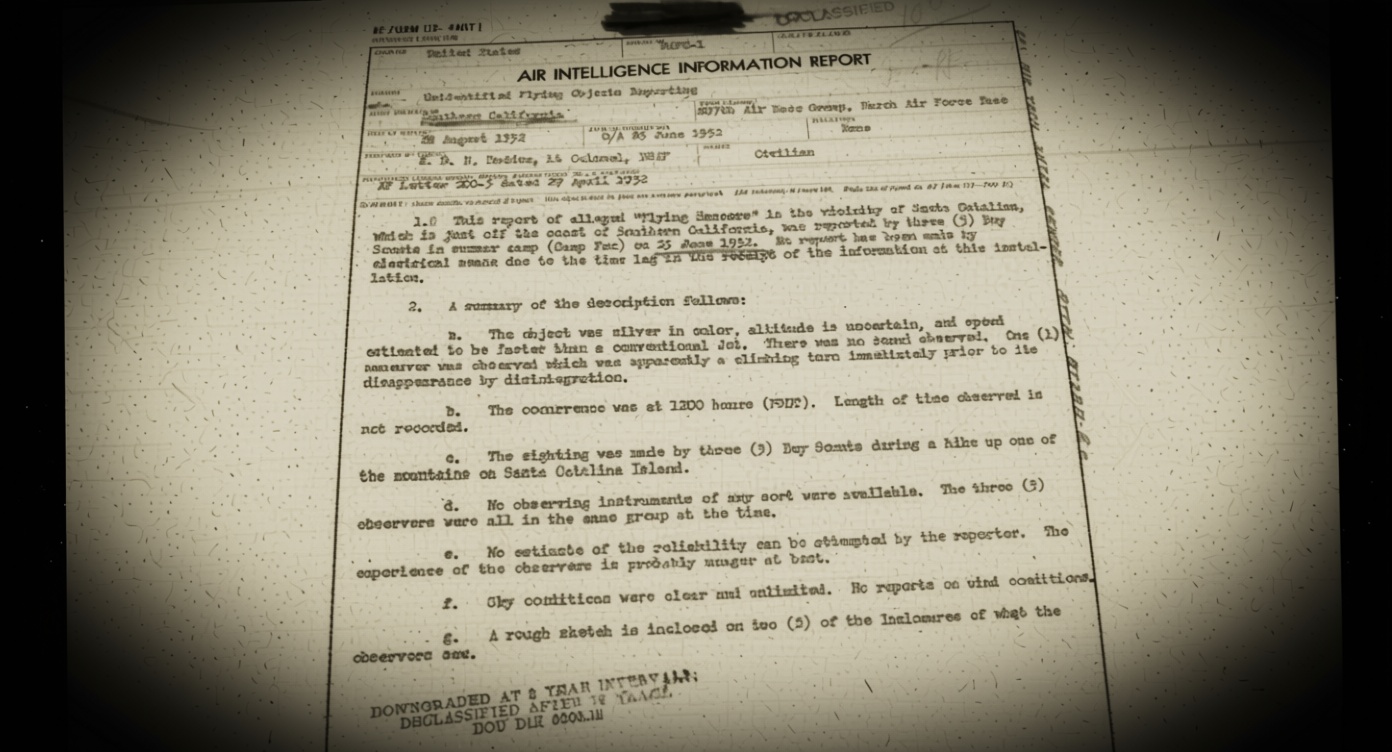
Advocates say the issue is broader than whether any single sighting can be explained. They want a clearer accounting of what the government knows, what it has recorded, and what it has chosen not to release. In that sense, the disclosure debate has become a test of trust: can the public rely on institutions to disclose credible information without waiting for leaks, speculation, or fragmented testimony to fill in the gaps?
The Skeptical View
The segment also highlighted the other side of the conversation, where caution remains central. Skeptics note that public interest in UFOs often outpaces the available evidence, and that many dramatic claims cannot be confirmed through documentation, sensor data, or independent review. From that perspective, disclosure has limits. Even when agencies share information, the material may be incomplete, classified, or ambiguous enough that it does not settle the debate.
That skepticism does not necessarily dismiss the subject outright. Instead, it reflects a demand for verifiable evidence before conclusions are drawn. For some observers, the challenge is not whether unusual incidents exist, but whether they can be translated into findings that meet the standards of science, journalism, or public accountability. Without that foundation, they argue, disclosure risks becoming more about interpretation than facts.
What the Debate Means Going Forward
The NewsNation segment captures why the UAP issue remains so durable: it sits at the intersection of national security, public trust, and unanswered questions. Each new hearing, report, or official statement seems to produce both momentum and frustration—momentum for those who want more openness, and frustration for those who believe the evidence remains too limited to support sweeping claims.
For now, the disclosure debate appears likely to continue without a definitive resolution. What remains clear is that interest in UAPs is no longer confined to fringe speculation. It has entered mainstream policy and media discussions, where the central issue is no longer whether people are asking questions, but whether institutions are prepared to answer them in a way that is both transparent and credible.